The Surprising Health Benefits of Polar Plunge (And Why You Might Love It Too)
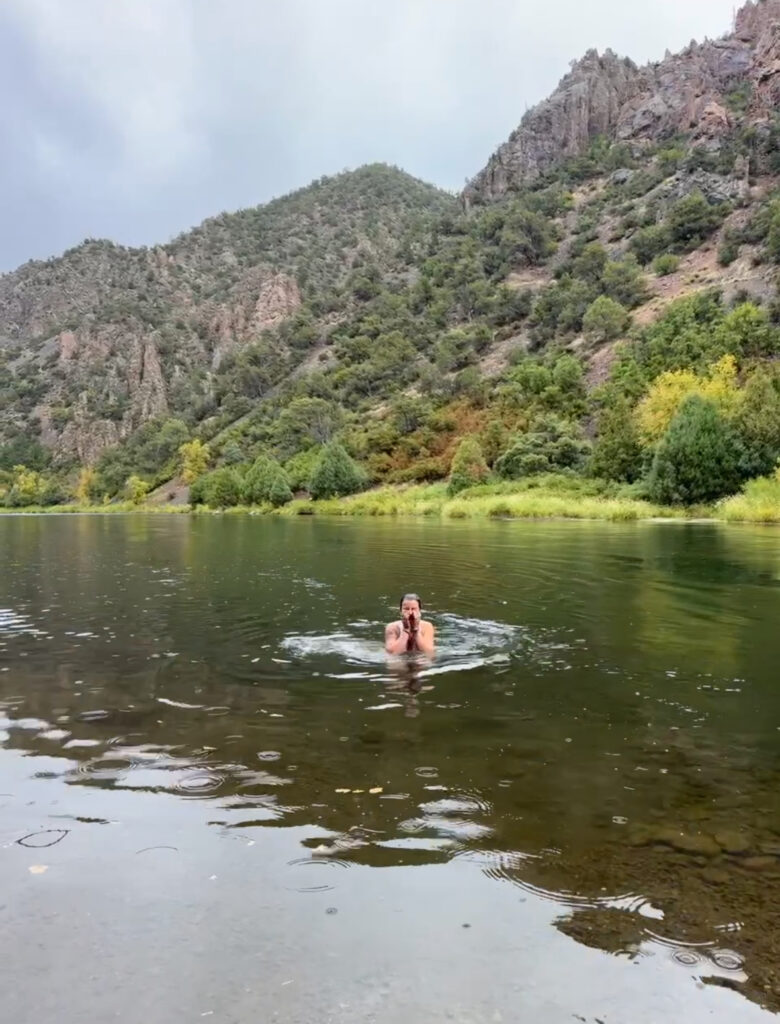
There’s nothing quite like the thrill of plunging into ice-cold water to make you feel more alive than ever. Whether it’s a frosty mountain lake (my personal favorite), a cold ocean dip, or a DIY cold plunge tub in your backyard, this chilling trend is gaining traction—and for good reason.
From mental clarity and improved sleep to reduced inflammation and muscle recovery, cold plunges—also known as cold water immersion or polar plunges—offer a range of science-backed benefits. But before you strip down and cannonball into icy waters, let’s break down everything you need to know about the benefits, risks, and how to start safely.
I remember doing my first real polar plunge back in 2023. We were actually on a memorial/birthday hike, commemorating the 1 year passing and 26th birthday of one of our good friends. His ultimate favorite things to do: love on dogs, hike mountains, and jump in freezing cold water. So to commemorate him, we hiked into the mountains, bushwhacked through the brush, and made it to the alpine lake (which was just a blue dot on the map that we followed).
The thrill that I felt after that first plunge is a feeling that I still crave. A feeling that very few things in this world satisfy as much as a good polar plunge.
What is a Polar Plunge?
A polar plunge refers to the practice of immersing yourself in water that is 50°F (10°C) or colder, typically for a short period of time. It’s used by athletes, wellness enthusiasts, and even mental health advocates to activate the body’s natural stress response and promote recovery and resilience.
Unlike cryotherapy chambers that use freezing air, polar plunges use water—often natural and wild—which creates a different effect on the body due to water’s higher thermal conductivity.
How Long Should a Cold Plunge Be?
Experts from sources like the Mayo Clinic and Cleveland Clinicrecommend starting slow. Most people begin with 30 seconds to 1 minute of immersion and gradually build up to 5–10 minutes. There’s no definitive “optimal” time yet, and researchers are still exploring the sweet spot. But what we do know is that short, consistent exposure seems to provide the most sustainable benefits.
🔥 Pro Tip: Always listen to your body. Numbness, pain, or confusion are signs it’s time to get out and warm up.
10 Science-Backed Benefits of Cold Plunging
Let’s break down the top benefits—and why so many people (myself included) swear by this invigorating habit.
1. Decreases Muscle Soreness & Aids Recovery
This is one of the most well-documented benefits. Cold water causes rapid vasoconstriction (tightening of blood vessels), which helps reduce exercise-induced muscle damage. After intense physical activity, a cold plunge can minimize DOMS (Delayed Onset Muscle Soreness) and improve recovery times.
2. Reduces Inflammation
One of the biggest reasons people jump into cold water is for its anti-inflammatory effects. Just like an ice pack for a sprained ankle, a polar plunge reduces systemic inflammation, which is linked to everything from joint pain to autoimmune issues.
3. Boosts Mental Clarity & Focus
That first breath when you hit cold water? It’s no joke. Cold exposure triggers a dopamine spike and a surge in norepinephrine, a chemical linked to alertness and attention. Many people report feeling more energized and laser-focused for hours after a plunge.
❄️ Personal note: I used to be a groggy morning person. Now, even a 2-minute cold plunge clears the cobwebs better than a double espresso. I feel electric afterward—like I can take on the world.
4. Enhances Sleep Quality
Post-plunge, your core body temperature drops, which helps stimulate natural melatonin production. That cool-down effect can help you fall asleep faster and sleep deeper. Some studies suggest cold plunging 1–2 hours before bed can be particularly helpful for insomnia and restless sleep.
5. Improves Mood & Reduces Stress
Cold plunging stimulates the release of endorphins, those feel-good hormones that lift your mood and lower anxiety. It’s also a great way to train your nervous system to handle stress more calmly. Regular plungers report decreased symptoms of anxiety and depression.
6. Trains Mental Resilience
Let’s be real: forcing yourself into freezing water takes guts. But doing it regularly builds mental discipline and teaches you to control your reaction to discomfort. That translates to other areas of life—like handling tough conversations, pushing through workouts, or staying calm in chaos.
7. Boosts Circulation
Cold immersion causes blood vessels to constrict, then dilate as you warm up afterward. This cycle of vasoconstriction and vasodilation improves circulation and encourages healthier blood flow, which is essential for healing and cardiovascular function.
8. Activates Brown Fat & Metabolism
Your body has two types of fat: white (stores energy) and brown (burns energy). Cold plunging activates brown adipose tissue, which can increase calorie burning and improve insulin sensitivity. While not a weight loss magic bullet, it supports a healthy metabolism.
9. May Strengthen Immunity
Though research is still emerging, some studies suggest that regular cold exposure may increase white blood cell count and bolster immune function. Cold plungers often report fewer colds and seasonal illnesses.
10. Promotes a Sense of Euphoria
Yes, seriously. The post-plunge rush of adrenaline, dopamine, and endorphins creates what many call the “cold high.” It’s hard to describe until you’ve done it, but the feeling is a powerful motivator to come back for more.
How to Start Cold Plunging (Without Freezing Your Soul)
Getting started doesn’t have to be extreme. Here are some beginner-friendly ways to safely enjoy the benefits of cold water immersion:
✅ Try Cold Showers First
Start with a 30-second burst of cold water at the end of your shower and gradually increase the duration. This trains your body to adapt.
✅ Use a Cold Tub
Fill a tub or stock tank with cold water and ice to reach 45–50°F. Always have someone nearby for safety if you’re new.
✅ Natural Cold Plunges
If you’re lucky enough to live near cold lakes or rivers (hello Colorado winters!), those can be incredible for a plunge. Just make sure conditions are safe and there’s no risk of hypothermia or fast-moving water.
✅ Post-Workout Routine
Make it part of your recovery ritual after strength training or long hikes. Cold plunging after exercise maximizes its benefits for muscle repair and inflammation reduction.
Safety First: Know the Risks
Cold plunging isn’t for everyone. If you have heart conditions, circulatory issues, Raynaud’s disease, or are pregnant, consult a doctor first.
Always warm up afterward with layers, warm drinks, and movement. Avoid alcohol before plunging, and never cold plunge alone if you’re going into natural waters.
Final Thoughts: Is a Polar Plunge Worth It?
Cold plunging isn’t just a trend—it’s an ancient practice rediscovered, backed by modern science. Whether you’re seeking better recovery, mental clarity, or just a serious mood boost, polar plunges offer real, tangible health benefits.
So if you’re looking to shake up your wellness routine, boost your resilience, and feel more alive—take the plunge.