If you’ve ever felt like your immune system could use a little backup or your hormones are on a never‑ending rollercoaster, you’re not alone. Modern life throws a lot at our bodies—stress, poor sleep, environmental toxins, nutrient‑depleted foods—and it’s no wonder we’re searching for more natural ways to support balance. While there’s no magic pill, nature has given us an incredible pharmacy of herbs that have been used for centuries—and in many cases, confirmed by modern science—to help our bodies adapt, recover, and thrive.
In this post, we’ll dive into 7 herbs for immune and hormone health that have been researched, time‑tested, and loved by herbalists, functional medicine practitioners, and everyday wellness seekers. We’ll cover what each herb is, how it works in the body, scientific case studies that back up its use, and easy, fun ways to add it into your daily routine. Whether you’re looking for an immune system boost, help with stress and adrenal balance, or support for PMS and menopause symptoms, these herbs could be a game‑changer for your wellness toolkit.
And don’t worry—you won’t be reading a dry science textbook. We’ll sprinkle in a little personality, some practical tips, and keywords like immune support herbs, hormone balancing herbs, and adaptogens for stress so you can actually find this info when you need it most. So, grab a cup of herbal tea, and let’s explore the green goodness that could help you feel your best—naturally.
7 Herbs for Inflammation, Immune System Support, and Hormone Health
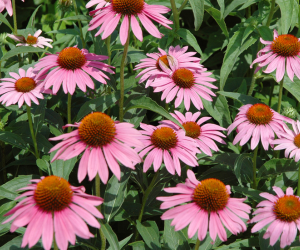
Echinacea – Immune Booster Flower
How It Supports Immunity (Backed by Research):
Several studies have found that echinacea can help your immune system respond more efficiently when you’re exposed to viruses. For example, a review of 14 clinical trials published in The Lancet Infectious Diseases found that people taking echinacea had a 35% lower chance of catching a cold and, if they did get sick, their symptoms lasted about a day less.
Scientists believe echinacea works by activating white blood cells and increasing the production of infection-fighting molecules called cytokines.
Hormone Health:
While research is still early, lab studies suggest echinacea may influence hormone pathways by supporting estrogen balance in women and regulating certain male hormones. This hasn’t yet been proven in large-scale human trials, but it’s an intriguing area of research.
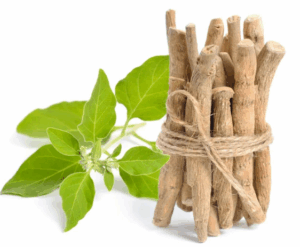
Ashwagandha
How It Supports Immunity (Backed by Research):
A 2019 double-blind study with 60 adults found that taking 600 mg of standardized ashwagandha extract for 8 weeks significantly increased white blood cell counts, improved antioxidant levels, and reduced inflammatory markers.
Ashwagandha is considered an “adaptogen,” meaning it helps the body adapt to stress—which is important because chronic stress weakens immunity.
Hormone Health:
Multiple human trials have shown that ashwagandha can help balance stress hormones like cortisol. For example, one study in adults with high stress found that daily supplementation lowered cortisol by up to 30%, which can reduce symptoms like fatigue and mood swings.
Other research has found benefits for thyroid health (increasing T3 and T4 levels in people with mild hypothyroidism) and reproductive hormones—men saw an increase in testosterone, and women reported more regular menstrual cycles.
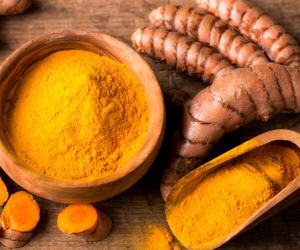
Turmeric (Curcuma Longa)
How It Supports Immunity (Backed by Research):
Turmeric’s active compound, curcumin, has been shown in multiple studies to reduce inflammation by lowering certain chemical messengers in the body that trigger immune overreactions.
In one 2017 clinical trial, participants with metabolic syndrome who took curcumin supplements had significantly lower inflammatory markers and better antioxidant status compared to the placebo group.
Hormone Health:
Turmeric may help with hormone-related symptoms caused by inflammation, like painful menstrual cramps. A small study found that women taking curcumin capsules for 7 days before and 3 days after their period had less pain and discomfort compared to those taking a placebo.
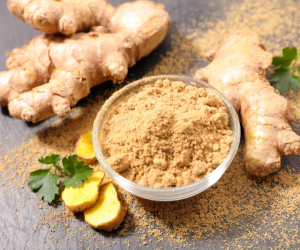
Ginger (Zingiber officinale)
How It Supports Immunity (Backed by Research):
Ginger’s spicy compounds, called gingerols and shogaols, have been shown to fight certain viruses and bacteria in lab studies.
A clinical trial involving people with osteoarthritis found that ginger supplementation not only reduced pain but also lowered inflammatory markers in the blood, which supports the idea that ginger helps regulate immune activity.
Hormone Health:
In a randomized controlled trial of women with PMS, ginger capsules taken for 7 days before menstruation significantly reduced mood swings, headaches, and bloating compared to placebo.
Animal studies also suggest ginger can help regulate insulin and blood sugar, which are important for hormone balance—especially in conditions like PCOS.
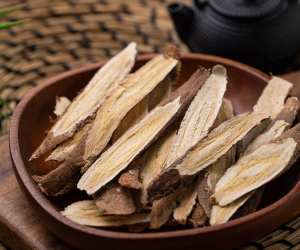
Astragalus (Astragalus membranaceus) & Andrographis (Andrographis paniculata)
How They Support Immunity (Backed by Research):
Astragalus has been used in Traditional Chinese Medicine for centuries, and modern studies support its immune-boosting reputation. In a trial with people prone to colds, daily astragalus extract reduced the number and severity of colds over a 12-week period.
Andrographis has been studied in over 30 clinical trials for upper respiratory infections. A meta-analysis found that it shortened the duration of cold symptoms by an average of 2 days and reduced sore throat severity by 50% compared to placebo.
Hormone Health:
Neither herb directly impacts reproductive hormones, but by lowering inflammation and improving immune resilience, they help reduce stress on the adrenal and thyroid systems, which can indirectly improve hormonal balance.
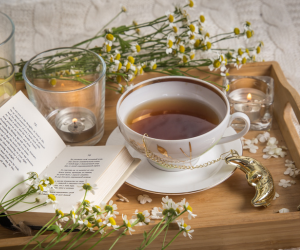
Spearmint (Mentha spicata) / Chamomile (Matricaria recutita) / Rose Hip (Rosa canina) Infusions
How They Support Immunity:
-
Spearmint has antioxidant and anti-inflammatory compounds that can protect immune cells.
-
Chamomile contains apigenin and other flavonoids with mild antimicrobial and anti-inflammatory effects, plus calming benefits for stress-related immune suppression.
-
Rose hips are packed with vitamin C and polyphenols that enhance immune defenses.
How They Support Immunity (Backed by Research):
Spearmint and chamomile both contain antioxidants that protect immune cells from oxidative stress, while rose hips are one of the richest plant sources of vitamin C, which is essential for immune defense.
One study found that drinking rose hip tea daily for 6 weeks increased antioxidant levels in the blood and reduced inflammation in healthy adults.
Hormone Health:
Spearmint tea has been tested in women with PCOS—a hormonal imbalance that often causes high testosterone levels. In two separate human trials, drinking 2 cups a day for 30 days significantly lowered free testosterone and improved menstrual regularity.
Chamomile tea has been linked to reduced PMS-related anxiety and better sleep, both important for hormone regulation.
Vitex (Vitex agnus-castus / Chasteberry)
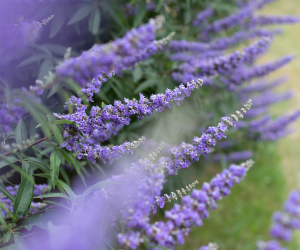
How It Supports Immunity:
While Vitex doesn’t act directly on the immune system, balancing reproductive hormones can help reduce inflammation, which indirectly supports immune function.
Hormone Health (Backed by Research):
A large German study involving over 1,600 women found that Vitex extract reduced PMS symptoms like irritability, breast tenderness, and mood swings in more than 90% of participants after 3 months of use.
Vitex works by influencing the pituitary gland to lower prolactin and help balance estrogen and progesterone, which supports regular menstrual cycles.

When it comes to your immune system and hormones, there’s no one‑size‑fits‑all solution—but herbs have a remarkable way of supporting the body’s natural rhythms and resilience. From echinacea’s immune‑boosting potential to ashwagandha’s calming, hormone‑balancing properties, each plant offers its own unique gift. The best part? Most of these herbs can be easily incorporated into your life through teas, tinctures, capsules, or even your favorite recipes.
Just remember: herbal medicine works best as part of a holistic lifestyle. Pair your herbal allies with nutrient‑dense foods, quality sleep, stress management practices, and movement you love. And always check with a qualified healthcare provider before starting a new herb—especially if you’re pregnant, breastfeeding, or on medications.
Your wellness journey doesn’t have to be complicated. Sometimes, the most powerful solutions are the ones growing quietly in nature, waiting to help us restore balance. So here’s to nourishing your body, strengthening your immunity, and giving your hormones the TLC they deserve—one herb at a time.